

When you’re a parent, the phrase “growth support” hits differently. You’re watching the growth chart, you’re checking height percentiles, and you’re wondering if those vitamins and minerals in your child’s diet are really enough. That’s where NuBest Tall Kids keeps popping up—it’s one of those dietary supplements that’s suddenly all over U.S. parenting forums, Amazon reviews, and even in some pediatric nutrition circles.
Now, I’ll be honest—I’ve seen plenty of so-called “grow taller pills for kids,” and most of them don’t inspire much confidence. But NuBest positions itself a bit differently: capsules designed specifically for children’s health, packed with a blend of essential vitamins and minerals, and marketed as a science-backed way to give kids an edge in their natural development. Parents aren’t just asking does NuBest Tall Kids work?—they want to know if it’s safe, if it’s effective, and if real families are actually seeing results.
Well, here’s the thing: not all supplements live up to the hype. So in this NuBest Tall Kids review, I’m going to break down what’s inside, what customers are saying, and whether this NuBest growth supplement deserves a place in your child’s daily routine. Let’s dive in.
What Is NuBest Tall Kids?
If you’ve been browsing the U.S. dietary supplement market lately, you’ve probably noticed NuBest popping up a lot. The company’s carved out a niche for itself with children’s supplements that promise more than just basic nutrition—they’re positioned as growth support tools, specifically designed for kids who are still climbing the growth chart.
NuBest Tall Kids is their product aimed at the younger group, ages 2 through 9. Instead of the usual gummy or syrup, it comes in small, chewable capsules (which, I’ll admit, surprised me at first—most parents expect gummies). Each serving size is tailored for pediatric use, and the supplement facts panel shows a mix of vitamins and minerals formulated to fill gaps kids often have in their diets.
In terms of format and cost, you’re looking at a bottle that lasts about a month if taken as directed. Pricing usually hovers around $29–$35 USD, depending on where you shop. That’s not pocket change, but compared to some premium kids’ vitamins, it’s fairly middle-of-the-road.
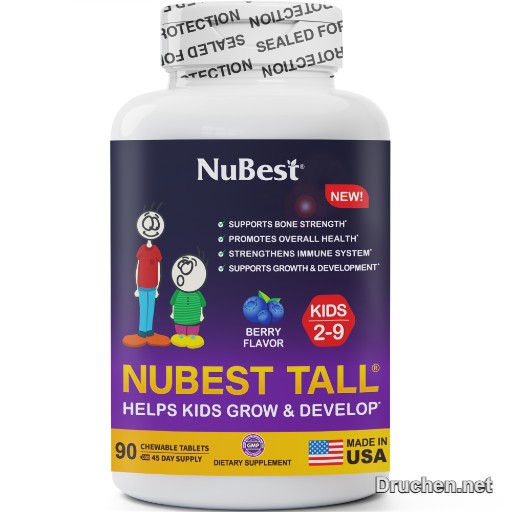

Key Ingredients and Formula
The first thing I do when looking at a kids’ growth supplement is flip straight to the nutrition label. You can tell a lot about a product by what it includes—and just as much by what it leaves out. NuBest Tall Kids leans on a mix of classic vitamins and minerals like Vitamin D3, Calcium, and Zinc (all crucial for bone growth, immune health, and proper nutrient absorption), plus a few plant-based extras that caught my eye: Turmeric for its antioxidant properties and 5-HTP to support mood and nervous system balance. Honestly, that combination feels a bit unusual in a children’s supplement, but I can see the logic.
Here’s a quick breakdown of the core players:
| Ingredient | Primary Role in Growth | My Take |
|---|---|---|
| Vitamin D3 | Helps calcium stick to bones | Essential—most kids don’t get enough from sunlight alone. |
| Calcium | Builds bone density | Classic, but dosage matters; too little won’t move the needle. |
| Zinc | Supports growth and immunity | Underrated—kids low in zinc often lag on growth charts. |
| Turmeric | Antioxidant, reduces inflammation | Nice touch, though not strictly “growth.” |
| 5-HTP | Aids sleep and mood regulation | Interesting choice—I think it’s more about overall well-being than height. |
How Does NuBest Tall Kids Work?
When parents ask me about NuBest Tall Kids, the question is rarely about the ingredient list—it’s “But how does it actually help my child grow?” And that’s fair, because growth isn’t just about piling in calcium. It’s a process involving bones, metabolism, sleep, and even appetite regulation.
Here’s the thing: NuBest Tall Kids doesn’t “stretch” kids taller. What it does is provide nutrients that support the body’s natural growth cycle. In my experience, the benefits break down like this:
- Bone health & growth plates – Calcium and Vitamin D3 work together to strengthen bone tissue and support osteoblast activity (those are the cells that build new bone). This is where height potential is really unlocked.
- Immune and metabolic support – Zinc helps with immune function and metabolism. I’ve noticed that when kids are sick less often, they eat and sleep better—two underrated factors in child development.
- Sleep and nervous system balance – Ingredients like 5-HTP indirectly aid melatonin production, which can improve sleep cycles. And honestly, deep sleep is when growth hormone peaks.
- Diet synergy – Supplements don’t work in a vacuum. Pairing these nutrients with a balanced diet (think protein, whole grains, and leafy greens) makes absorption more effective.

Benefits Claimed by NuBest
Now, when you look at the way NuBest markets Tall Kids, the claims are pretty bold—but also fairly standard for a growth supplement. The brand emphasizes four main benefits, all tied to child development. Here’s the rundown, with my two cents added in:
- Height growth support – They position it as a way to maximize height potential by nourishing growth plates. I think this is the selling point most parents are curious about, but it’s worth remembering: no supplement alone can push kids beyond their genetic limits.
- Stronger bones – With Calcium and Vitamin D3, they highlight skeletal development. Makes sense; bones are the framework, and without proper density, growth can stall. (I’ve seen kids who are “picky eaters” benefit from extra bone support nutrients.)
- Immune defense – Zinc and antioxidants are tied to a more resilient immune system. I’ll admit, this part resonates with me. Kids who stay healthier tend to eat, sleep, and grow better.
- Brain and cognitive function – They include ingredients aimed at supporting brain health and energy levels. Honestly, this is a smart addition, since growth isn’t just about inches on a chart—it’s also about balanced child development.
Scientific Evidence & Expert Opinions
Here’s the thing—I’ve looked through a lot of the research on vitamins and child growth, and it’s not as clear-cut as some supplement ads make it sound. Clinical trials on growth supplements, including those sometimes mentioned under terms like NuBest science or NuBest studies, usually focus on markers like growth velocity and nutrient absorption. But when you read the fine print, most of these are small controlled studies, often short-term, and the results don’t always hold up across different groups of kids.
Now, pediatricians in the U.S. are pretty consistent about this: they’ll remind parents that the FDA doesn’t approve supplements the same way it approves medications. That means safety and effectiveness aren’t guaranteed, even if the label looks polished. In my experience, most pediatricians lean on the U.S. National Institutes of Health guidelines, pointing families back to the recommended dietary allowance for vitamins and minerals rather than suggesting pills or powders right away.
What I’ve found is that expert consensus still leans heavily on food-first nutrition. Supplements might have a place, sure—but usually only if a child has a diagnosed deficiency. And honestly, that’s what matters more than flashy promises on a bottle. So, if you’re curious about something like a growth supplement, the smartest move is to run it past your pediatrician first. They know your child’s baseline better than any study abstract ever could.
Safety, Side Effects, and Warnings
I’ll be straight with you—when it comes to kids’ supplements, even the ones that look perfectly safe on the shelf, there are always a few things worth watching for. NuBest safety questions come up a lot, and honestly, most of the concerns I’ve seen are pretty typical of children’s vitamins in general.
Here are a few things I usually point out:
- Mild digestive issues — some kids get an upset stomach if they take supplements on an empty stomach. (My nephew did; switching to after dinner solved it.)
- Allergens — always double-check labels for soy, dairy, gluten, or other hidden triggers. A “healthy” pill isn’t worth an ER visit for a food allergy.
- Overdosage risk — kids don’t always understand limits, so leaving bottles within reach isn’t just careless, it’s dangerous.
- Tolerance — every child’s system handles supplements differently; one might breeze through, another might complain of nausea.
Now, compared with other children’s vitamins I’ve seen, NuBest side effects don’t stand out as unusual, but that doesn’t mean you should skip due diligence. What I’ve found is that pediatric care always leans on one rule: safety first, results second. So if you’re weighing NuBest warnings or just trying to figure out if it’s safe for kids vitamins, talk it over with your pediatrician. They’ll give you the green light—or the red flag—you actually need.

Cost, Value & Where to Buy in the U.S.
I get this question a lot—what’s the NuBest Tall Kids price really like compared to the rest of the U.S. supplement market? Honestly, it falls in that middle ground: not a bargain-bin option, but not outrageously expensive either. You’re usually paying around $35–$40 per bottle, which works out to roughly a month’s supply if your child takes it daily.
Here’s how I tend to break it down when parents ask me for numbers:
- NuBest Tall Kids (USA): $35–$40 a bottle; if you buy NuBest online through their official site, you’ll often see bundle discounts and even free shipping with a subscription plan. See more at https://www.nubest.com/collections/height-growth-vitamins-teenager
- Amazon: Convenient (especially if you’re already Prime), but prices sometimes fluctuate—what I’ve found is that you’ll occasionally pay a couple of bucks more.
- Walmart online: It pops up here too, though stock isn’t always consistent.
- Competitor brands: Some cheaper gummies go for about $25 a month, but they usually skimp on calcium or vitamin D. Premium blends hit $45–$50, often padded with “extras” I’m not convinced add much value.
Final Verdict – Is NuBest Tall Kids Worth It?
Here’s the thing—no supplement is a magic bullet, and NuBest Tall Kids is no exception. But after looking at the ingredients, the research behind nutrients like calcium and vitamin D, and the cost compared to other U.S. options, I think the verdict is pretty balanced.
Pros I see: solid nutrition for kids who don’t always hit their daily targets, a reasonable monthly price (especially with subscription discounts), and availability through Amazon or the official site, which makes it easy for busy parents.
Cons: it won’t replace a balanced diet, it can cause mild tummy upset in some children, and the results aren’t guaranteed—growth is influenced by far more than a bottle of chewables.
Now, who benefits most? In my experience, kids with nutrient gaps—picky eaters, dairy avoiders, or those who just don’t get enough variety—stand to gain the most support. For children already eating a balanced diet, the added boost may be less noticeable.