
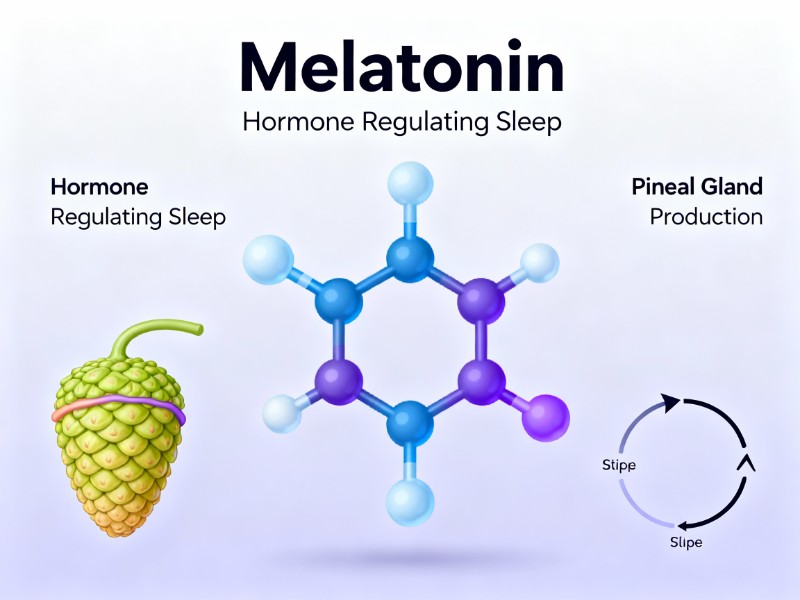
You ever notice how just about every parent you talk to these days has melatonin gummies in the kitchen drawer? I’ve got a niece who’s 9, and her mom swears by them—“It’s just a sleep supplement,” she says. And yeah, melatonin is natural. Your body makes it, mostly in the evening, thanks to the pineal gland doing its job regulating your circadian rhythm. But here’s where it gets tricky: when teens (and even younger kids) start taking it regularly—night after night—you can’t help but wonder… does it mess with more than just sleep?
Could it actually affect how they grow—specifically their height during puberty?
Now, I’ve spent years digging into adolescent development and height science, and this question keeps popping up. So let’s talk about what melatonin might be doing behind the scenes—especially when it comes to hormones, growth plates, and the timing of puberty.
How Melatonin Interacts with Growth Hormones
Now, here’s where it gets interesting—and honestly, a bit tricky. You’d think something that helps you sleep better would automatically support growth, right? After all, most of your human growth hormone (HGH) is secreted during deep sleep. That’s true. But in my experience digging through the research (and trying to explain it to worried parents at midnight), the relationship between melatonin and growth hormones like IGF-1 isn’t as straightforward as it seems.
Melatonin does play a big role in regulating your circadian rhythm, and it directly affects how your endocrine system behaves at night. When taken at the right time and dose, it can help maintain healthy REM cycles, which is where your pituitary response kicks in and HGH gets released. But too much melatonin—or taking it at the wrong time? That might blunt some of that nocturnal hormone release. I’ve seen a few studies suggesting it could reduce IGF-1 levels in some adolescents, though nothing conclusive enough to hit the panic button.
Here’s a breakdown of how they compare:
| Factor | Melatonin Alone | Natural Sleep Cycle (No Supplement) |
|---|---|---|
| HGH Secretion Pattern | May be altered (timing-wise) | Follows natural peaks at night |
| IGF-1 Levels | Slight decrease (in some) | Stable or optimal during puberty |
| Sleep Architecture | Improved in poor sleepers | More stable in well-rested teens |
| Pituitary Hormone Response | Variable, depends on timing | Synchronized with internal clock |
My take? If you’re considering melatonin for a teen still growing, talk to a pediatrician who understands hormonal balance, not just sleep. The timing, dose, and even the why behind using it all matter more than most people think.
Scientific Evidence: Does Melatonin Stunt Growth?
So here’s the million-dollar question I hear from parents all the time: “Is melatonin going to mess with my kid’s growth?” And honestly, I get it. It’s not just a casual concern—it’s tied to how we support our kids through critical developmental windows.
From what I’ve read—and I’ve spent way too many late nights combing through both U.S. and Asian databases—there’s no solid evidence that melatonin directly stunts height growth in children. But (and this is important), the details do matter. You’ll see mixed signals in the research, depending on dosage, age group, and how long it’s taken.
Here are a few standout findings that stuck with me:
- A 2020 NIH-backed review found no statistically significant link between melatonin use and reduced height in longitudinal pediatric studies. But most trials only lasted a few months.
- Hanoi Medical University researchers observed normal growth patterns in kids using low-dose melatonin (<3mg) for sleep onset issues over a 6-month span.
- The Pediatric Endocrine Society notes a lack of long-term data on IGF-1 changes, especially during peak puberty years. Basically: they’re cautious, not alarmist.
- One small Dutch study hinted at a possible delay in puberty timing—not growth itself—but the sample size was tiny and not very diverse.
What I’ve found is that the “melatonin stunts growth” claim is mostly a myth, but not one you want to completely ignore. If your kid’s on it nightly for months? Definitely loop in a pediatrician who understands endocrine rhythms and not just sleep schedules.
Melatonin Use Trends Among American Teens and Parents
If you’ve walked through a pharmacy aisle lately, you’ve probably noticed the rainbow of melatonin options staring back at you—gummies, dissolvables, even flavored sprays. It’s not just you. Post-2020, melatonin sales in the U.S. spiked by over 40%, and a big chunk of that demand is coming from households with kids and teens. According to CDC findings and Nielsen retail data, roughly 1 in 5 children are now using melatonin regularly, with even higher usage reported among adolescents juggling late-night screen time and school stress.
Now, here’s what I’ve noticed talking to parents (and yeah, I’m one of them): it’s not that they want to hand over sleep aids—many just feel stuck. Kids aren’t falling asleep, and nobody’s functioning the next day. You throw in pandemic-era routines, remote learning fallout, and the fact that bedtime battles are now a nightly event, and… well, you start reaching for solutions. Melatonin became the go-to “quick fix” for a lot of families trying to reclaim nighttime peace.
But here’s where things get a little murky—parents are giving it, often without pediatric guidance, and without fully understanding how this sleep hormone might interact with a developing endocrine system. I think the question we’re all asking now is: where’s the line between harmless supplement and long-term impact?
Potential Risks and Side Effects of Long-Term Melatonin Use
Now, if you’re anything like the parents I talk to, you probably toss that melatonin bottle into the nightly routine without thinking twice. But here’s the thing—you might not see what’s happening underneath the surface. Long-term use can nudge your child’s hormonal regulation in ways you don’t always notice at first, and I think that’s the part that catches most families off guard. What I’ve found is that when you use a sleep hormone every night, your body sometimes gets a little too comfortable with the shortcut, and that’s where issues like receptor desensitization can creep in.
You’ll sometimes see mood swings, grogginess, or that odd mid‑morning fatigue (the kind you’d swear is just “a rough night,” but it keeps repeating). Kids tell me they feel anxious or “weird tired,” and you can’t ignore that. And while melatonin itself isn’t considered addictive, the habit of relying on it can build a sort of dependency—you reach for it because you don’t know what bedtime looks like without it.
In my experience working with families, the bigger pediatric risk comes when you’re giving it without supervision—doses drift upward, routines slip, and suddenly you’re using it to manage behavior instead of sleep. Your best move is keeping an eye on patterns, because the long-term side effects aren’t always obvious until you’re already in deep.
Safe Use Guidelines for Melatonin in Children and Teens (U.S. Recommendations)
You know, every time you think you’ve finally nailed your kid’s bedtime routine, something throws it off—sports, homework, screens, the whole circus. And that’s usually when you start wondering if melatonin might help. Here’s what I’ve learned digging through the American Academy of Sleep Medicine recommendations and talking with more pharmacists than I ever expected in my life: melatonin can be useful, but only when you treat it like a tool—not a nightly crutch.
Now, you’ll hear people toss around mg numbers like candy, but your safest move is starting low. You’re talking tiny doses for younger kids—often less than what you’d expect—and only slightly higher amounts for teens. A pharmacist can help you sort out what’s age‑appropriate, especially if your child has a pediatric sleep disorder or a really irregular bedtime schedule. I think you’ll find that providers almost always recommend trying behavioral changes first: tightening up sleep hygiene, shifting the bedtime schedule, or even experimenting with light exposure (I’ve done that one myself with decent success).
And here’s the thing—when you do use melatonin, keep your doctor in the loop. You can ask how to taper off eventually, what signs of overuse to watch for, and whether something deeper is going on. Your goal isn’t to rely on melatonin forever; it’s to get your kid sleeping well enough that they don’t need it in the first place.