
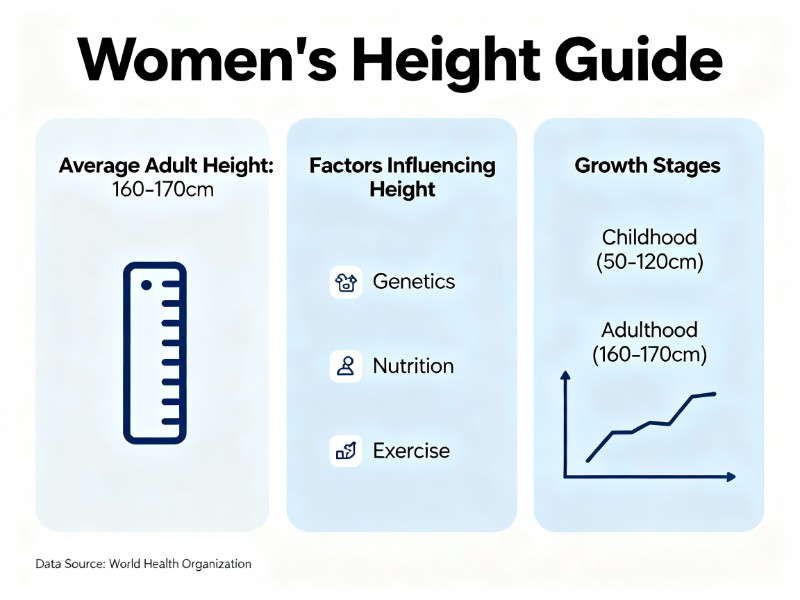
You ever wonder what “average height for women” even means—and why anyone cares? I used to brush it off, honestly. But once I started digging into global data (mostly out of curiosity… okay, and a bit of insecurity), I realized it’s way more than a trivia fact. You see, height plays a subtle but powerful role in everything from how clothes fit you off the rack, to how health risks get assessed through tools like BMI. According to the World Health Organization and CDC, these averages shift with age, country, and even socioeconomic factors.
So let’s break it down—what “average” really looks like for women today, and why it might matter more than you think.
Female Height by Age Group: From Growth Spurts to Shrinkage
You ever notice how some girls seem to shoot up in middle school while others catch up later? That’s not just randomness—it’s your body playing out a very biologically-timed script. In my experience working with growth data (and let’s be honest, obsessing over my own height well into my 20s), female height changes follow a pretty fascinating arc.
Here’s a snapshot of average female height by age—but stick with me after the table, I’ve got a few personal thoughts on the numbers:
| Age | Avg. Height (US) | What’s Happening |
|---|---|---|
| 10 | 4’7″ (139 cm) | Pre-puberty phase, just before major growth spurts kick in |
| 15 | 5’4″ (163 cm) | Puberty peak—most girls reach ~95% of their adult height by now |
| 20 | 5’4.5″ (164 cm) | Bone plates closing, final tweaks in height (very minor) |
| 30 | 5’4.5″ (164 cm) | Stable adult height, no major changes… yet |
| 50 | 5’3.5″ (161 cm) | Yep, shrinking begins—spinal compression, posture shifts, the usual suspects |
Height Differences by Country: Why Where You’re Born Still Shapes How Tall You’ll Stand
Now, I’ve been researching female height trends for years over at NuBest Nutrition, and this part never stops fascinating me—your passport can tell me a lot about your potential height. Not everything, of course (genetics is stubborn like that), but where you grow up still says a lot about how tall you’ll be by adulthood.
Let me break it down with a few real-world examples and some thoughts I’ve had along the way:
- Netherlands – Avg. 5’7″ (170 cm):
The Dutch top nearly every global height chart, and honestly? It’s not just the cheese. What I’ve found is, their consistent access to nutrient-rich foods, low inequality, and tall genetics all stack in their favor. Also—seriously tall bikes over there. - USA – Avg. 5’4″ (163 cm):
Now, you’d expect Americans to be taller, right? But I’ve noticed in my work that disparities in diet, healthcare, and activity levels can really drag that average down. It’s not about the resources existing—it’s about access to them. - Japan – Avg. 5’2″ (158 cm):
Smaller frame, sure—but that’s not a weakness, it’s an adaptation. Traditional diets, lighter bone structure, and a slower shift toward Western lifestyles have kept height increases gradual. That said, Gen Z girls? They’re noticeably taller than their grandmothers were.
You see, height isn’t just about your parents’ genes—it’s this layered mix of ethnic background, nutrition, and national lifestyle habits. I think we overlook how geography quietly molds us, centimeter by centimeter.
So if you’re wondering why your friend from Amsterdam towers over you, well—now you know.
Height and Health Risks in Women: What Your Stature Might Say About Your Body
Here’s something I’ve learned after years of digging into health data at NuBest Nutrition: your height doesn’t just shape how clothes fit—it can also quietly influence your long-term health risks. Not in a fatalistic way (don’t panic!), but enough that it’s worth knowing the patterns.
In my experience, once you understand how stature interacts with your body’s biology, you start seeing how much of health really comes down to balance—literally and hormonally.
Here’s a quick breakdown of what I’ve noticed over the years:
- Taller women
- May face slightly higher risks of certain cancers, like breast or ovarian cancer. Researchers link this to higher levels of growth-related hormones and cell proliferation.
- On the flip side, taller women often enjoy lower odds of cardiovascular disease and stroke—their circulatory systems adapt differently over time.
- Shorter women
- Often have stronger bone density early on, but are more prone to osteoporosis post-menopause. (I’ve seen this pattern repeatedly in clients under 5’3”.)
- Tend to have lower cancer risks, but sometimes higher BMI classifications—though that’s often a measurement flaw, not fat mass itself.
Now, here’s the thing: height isn’t destiny. It’s just one of many health markers your body carries. What I tell readers—and my own clients—is this: once you know your risks, you can tailor your nutrition, exercise, and hormone care to work with your height, not against it.
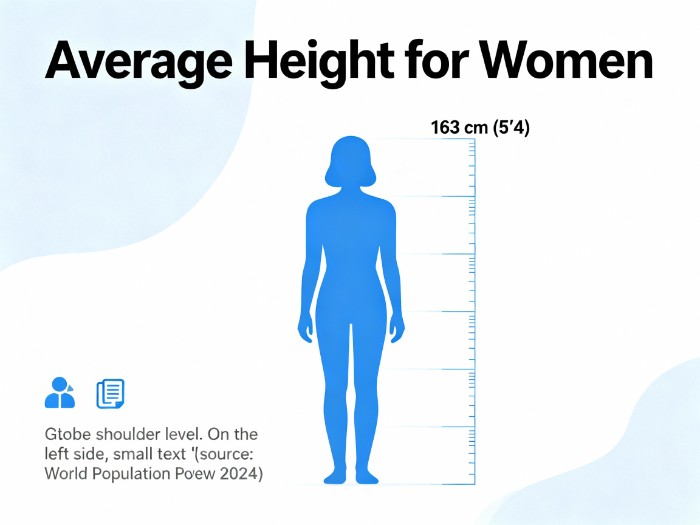
How Female Height Affects Lifestyle: From Airplane Seats to First Dates
I’ll be honest—when I started working in the height growth space at NuBest Nutrition, I thought the biggest challenge for most women was just “not being tall enough.” But over the years, what I’ve found is that height shapes your lifestyle in subtle (and sometimes wildly frustrating) ways.
It’s not just a matter of inches—it’s how those inches interact with the world around you. Here’s what I mean:
- Fashion fit is rarely neutral.
If you’re petite, pants pool at your ankles and sleeves swallow your hands. If you’re tall? Good luck finding jeans that don’t look like capris. Most clothing brands still build off fit models in that 5’5″–5’7″ range, which means you’re constantly adjusting. (I’ve literally hemmed more pants than I care to admit.) - Ergonomics don’t favor extremes.
You ever sit in a standard office chair and either your feet dangle or your knees hit the desk? Yeah. Furniture and workstations are built around “average” height standards—typically designed for a male 5’9″–5’10” frame. Which means many women just… adapt their posture until their back screams at them. - Dating? Oh boy.
Here’s where it gets weird. Shorter women are often idealized (blame rom-coms), while taller women sometimes feel penalized socially—especially if they “measure up” to or past male partners. On dating apps, height filters exist for a reason—and not always a kind one.
What I’ve learned? Your height doesn’t just affect how you move—it affects how the world moves around you. So whether you’re adjusting your car seat, shopping in the kids’ section, or wondering if you should wear heels on a date, just know you’re not alone.